
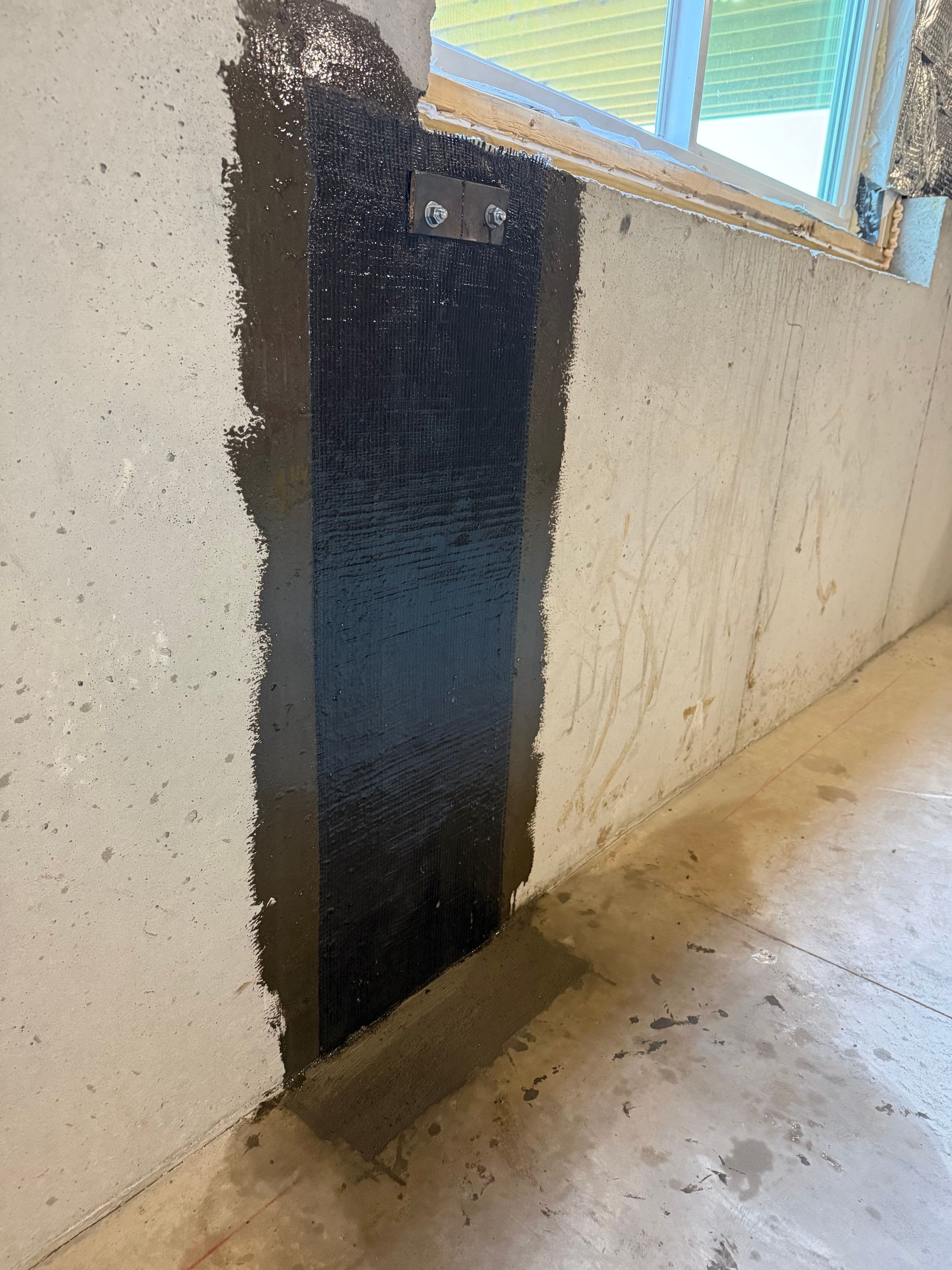
Basements That Stay Dry Through Heavy Rain
Basement Waterproofing in Kansas City for homes dealing with leaks, damp walls, and standing water during seasonal storms
Kansas City receives concentrated rainfall during spring and early summer, often overwhelming inadequate drainage systems and pushing water through basement walls. Steadfast Structural LLC installs basement waterproofing systems designed to handle the moisture levels common in this region, keeping basements dry even when storms dump several inches of rain in a short period. You need waterproofing when you notice damp spots on walls, standing water after heavy rain, or a persistent musty smell that indicates moisture buildup.
Waterproofing involves identifying where water enters the basement, then installing systems to intercept and redirect it before it reaches your living space. Solutions vary depending on whether water seeps through cracks, comes up through the floor, or runs down walls during storms.
Arrange an on-site evaluation to determine where water is entering your basement and which waterproofing approach will stop it.
What Proper Waterproofing Systems Require
Effective waterproofing systems capture water at entry points and direct it to a sump pump or drainage system that removes it from the property. Interior systems often involve installing drainage channels along the basement perimeter, beneath the floor slab, that collect water before it surfaces. These channels connect to a collection point where a sump pump activates automatically when water accumulates.
After installation, you'll notice that basement floors stay dry during rainstorms, damp walls dry out, and the air smells fresher without the constant moisture. Mold and mildew stop forming on surfaces, and you can store items in the basement without worrying about water damage.
Waterproofing systems require proper integration with existing drainage to function reliably. The system's capacity must match the volume of water your property encounters during peak rainfall, and placement must account for your basement's layout and the location of entry points.
Common Questions About This Service
Homeowners considering basement waterproofing often want to understand what the work involves and how it will change their basement environment.
What happens during a waterproofing evaluation?
The evaluation identifies where water is entering, how much water the basement encounters during typical rainfall, and whether foundation cracks or poor exterior grading contribute to the problem.
How does waterproofing improve indoor air quality?
Eliminating standing water and constant dampness prevents mold spores from forming and reduces the humidity that makes basements smell musty. Air quality improves noticeably once moisture is controlled.
When should waterproofing be installed relative to heavy rain seasons?
Installing systems before spring storms arrive in Kansas City ensures protection is in place when rainfall peaks, but waterproofing can be completed year-round.
What's included in a basement waterproofing system?
Most systems include interior drainage channels, a sump pump with backup power, and connection to exterior drainage that carries water away from the foundation.
Will waterproofing prevent all basement moisture?
Properly designed systems eliminate standing water and seepage during storms. Managing humidity may require additional dehumidification in climates with high summer moisture levels.
Steadfast Structural LLC customizes waterproofing systems based on your property's layout and the water entry points identified during inspection. Contact our team to discuss which waterproofing approach will keep your basement dry and usable throughout the year.