
Pumps That Activate Before Water Rises
Sump Pump Installation and Replacement in Kansas City for homes managing basement flooding during heavy rain and rising groundwater
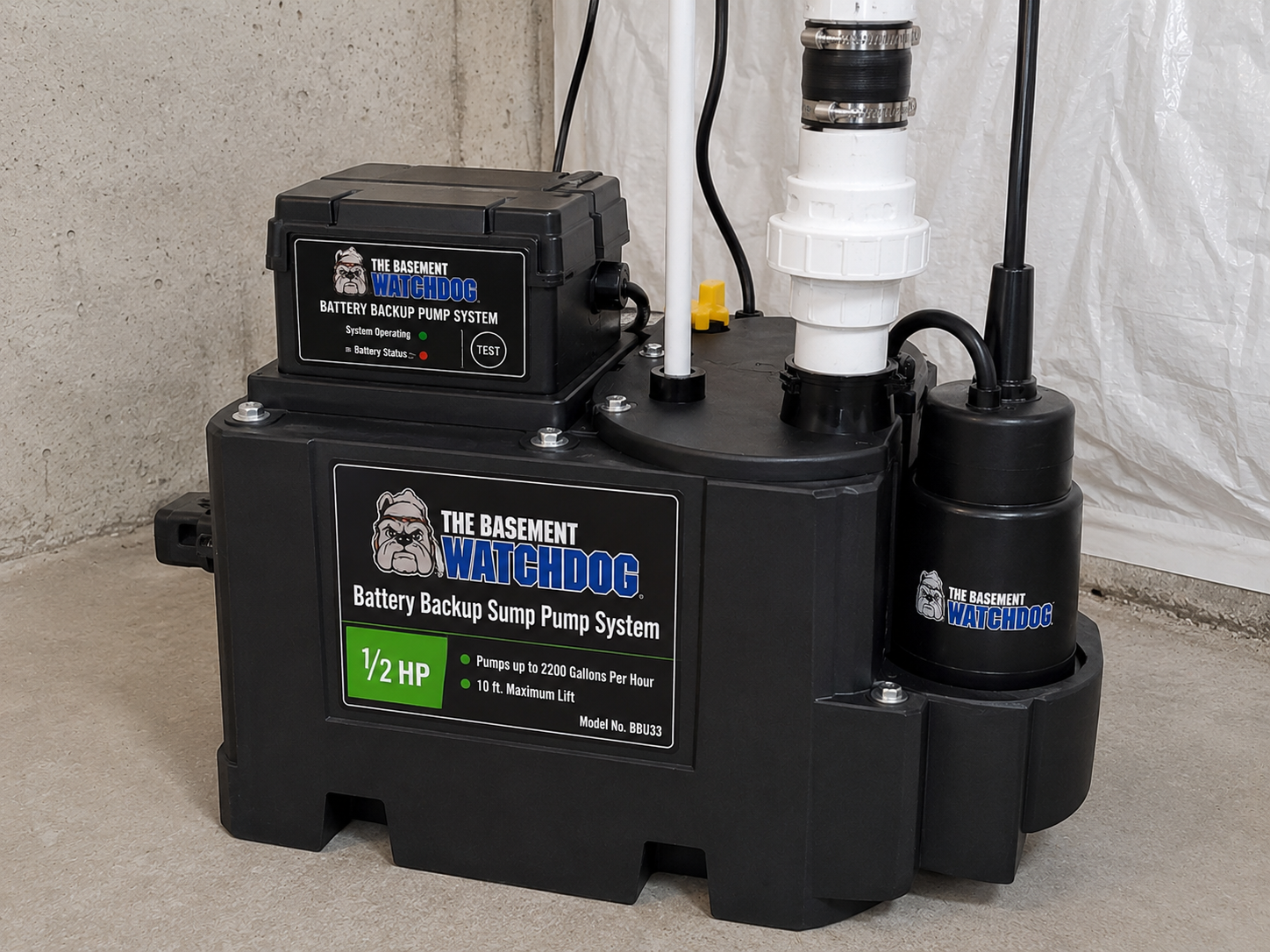
Sump pumps activate automatically when water collects in the basin, removing it before it floods your basement. When heavy storms saturate the ground around Kansas City homes, groundwater pressure increases and pushes water through foundation seams and floor cracks. Steadfast Structural LLC installs and replaces sump pump systems sized to handle the water volume your property encounters during peak rainfall, ensuring basements stay dry even when storms deliver several inches of rain in a short window.
Installation involves positioning the sump basin at the lowest point where water naturally collects, then connecting it to a pump powerful enough to remove water faster than it enters. Discharge lines must route water far enough from the foundation to prevent it from cycling back into the drainage system.
Schedule a consultation to evaluate your basement's water management needs and determine the right sump pump capacity.
Why System Sizing and Placement Matter
Sump pump capacity is measured by how many gallons per hour it can remove and how high it can push water vertically before discharge. Undersized pumps run continuously during storms without keeping up with inflow, while improperly placed systems miss water pooling in other areas of the basement. The pump must connect to a reliable power source, and backup battery systems provide protection if power fails during severe weather.
After a properly sized sump pump is installed, water stops accumulating on basement floors during rainstorms, and the pump cycles on and off efficiently without running constantly. You'll hear it activate during heavy rain, then shut off once water is removed, and you won't find standing water in corners or along walls.
Replacing outdated pumps improves reliability and reduces the risk of mechanical failure during critical moments. Regular maintenance includes testing the float switch, clearing the intake screen, and verifying the discharge line remains clear.
What Property Owners Usually Ask
Homeowners often want to understand how sump pumps work, when they need replacement, and what happens if the system fails during a storm.
What determines the right sump pump size for a basement?
Pump capacity depends on how much water enters during typical storms, the vertical height the pump must push water to reach discharge, and whether the system handles water from interior drainage channels or just floor seepage.
How often do sump pumps need replacement?
Most pumps last seven to ten years with regular use. Replacement becomes necessary when the motor fails, the float switch malfunctions, or the pump can no longer keep up with water inflow during storms.
What happens if power fails during a storm in Kansas City?
Backup battery systems or secondary pumps connected to alternative power sources activate automatically when main power fails, ensuring continuous operation during severe weather outages.
How is the discharge line routed to prevent water from returning?
Discharge lines must extend at least ten feet from the foundation and release water at a point where it flows away from the property rather than pooling near basement walls.
Will a sump pump eliminate all basement moisture?
Sump pumps remove standing water and prevent flooding, but controlling humidity may require additional ventilation or dehumidification in basements with persistent dampness.
Steadfast Structural LLC ensures sump pump systems are properly sized and positioned to protect your basement during Kansas City's heavy rainfall seasons. Reach out to discuss installation or replacement options tailored to your property's water management requirements.