Sagging Floors Corrected Through Beam Reinforcement
Main Support Beam Repair in Kansas City for homes with uneven floors and visible beam deterioration
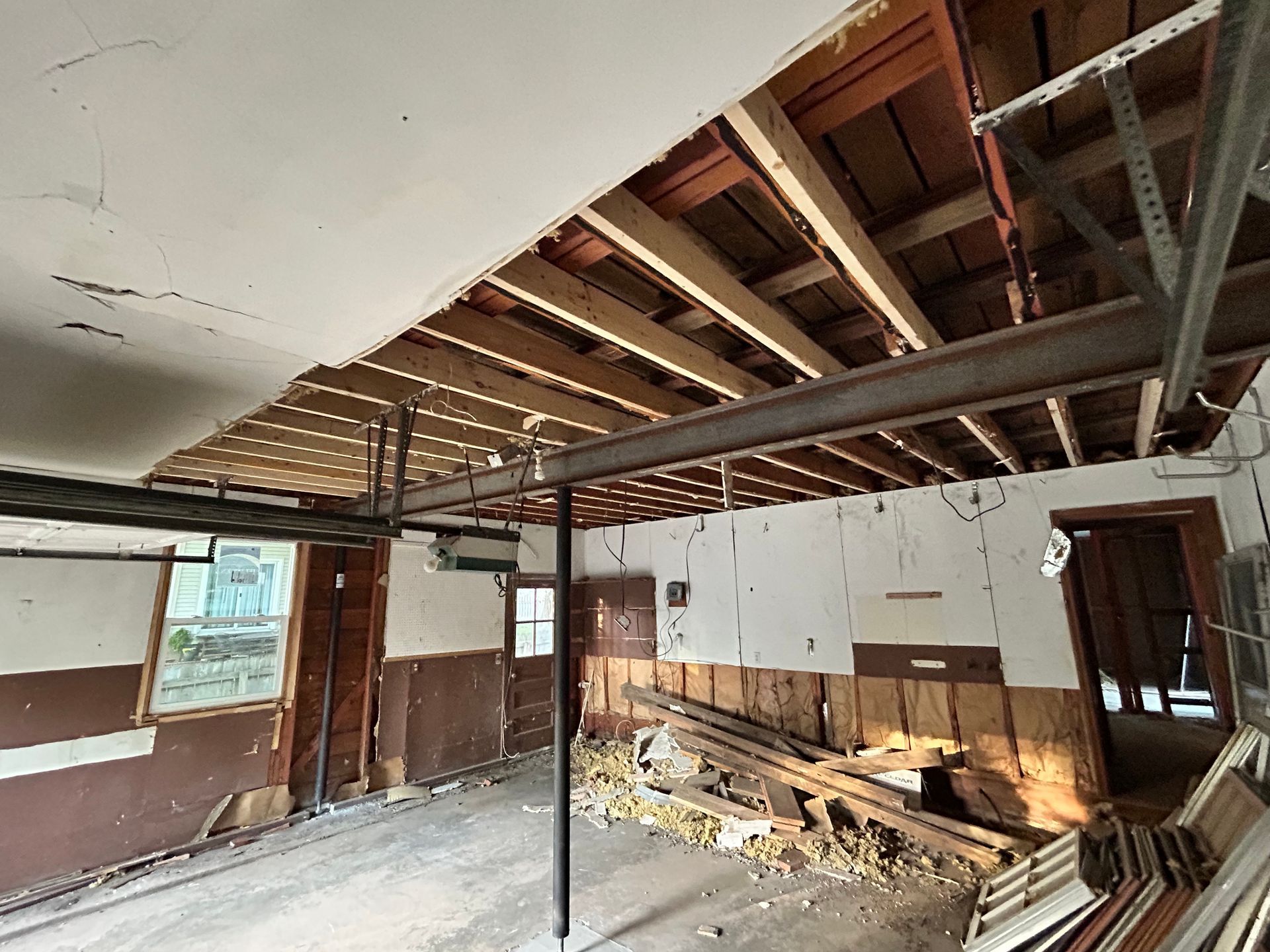
Main support beams carry the entire weight of upper floors and distribute that load to foundation walls and support columns throughout the basement or crawl space. Damaged or weakened beams no longer perform this function properly, allowing floors above to sag, creating bounce when you walk across rooms, or causing doors and windows to stick as the structure shifts. Steadfast Structural LLC restores proper load distribution in Kansas City homes by reinforcing or replacing compromised beams with solutions engineered for long-term structural performance and safety.
Beam issues develop when wood deteriorates from moisture exposure, when original beams were undersized for the load they carry, or when support columns settle and transfer uneven weight to the beam. The repair approach depends on whether the beam has lost structural capacity due to rot and insect damage or simply needs additional reinforcement to meet current load requirements.
Request a detailed structural assessment to identify beam condition and determine whether reinforcement or replacement provides the best solution.
What Proper Beam Repair Actually Accomplishes
Beam repair involves thorough assessment of current load-bearing capacity, identification of failure points, and selection of reinforcement or replacement materials that restore the beam's ability to support upper floors without deflection. Steel supplemental beams may be installed alongside existing wood beams to share the load, or the entire beam may be replaced with engineered lumber or steel if deterioration is extensive. Temporary support systems hold upper floors in place during the work to prevent further settling.
After beam repair, floors return to level and no longer feel springy or uneven when you walk across them. Doors and windows that previously stuck due to frame distortion operate smoothly again because the structure has returned to proper alignment. Cracks in walls and ceilings caused by beam deflection stop expanding, and you regain confidence in the home's structural stability.
Some repairs include upgrading support columns or adjusting their placement to improve load distribution, while others focus solely on the beam itself if columns and footings remain sound. The scope depends on whether settling has affected multiple components or if beam deterioration is the isolated issue affecting floor performance.
Answers to Frequent Service Questions
Beam repair decisions depend on understanding what causes failure and how different repair methods restore structural capacity. The following questions address common concerns about main support beam work and what changes after repairs are completed.
What signs indicate a main support beam needs repair?
Sagging floors, visible cracks running along the beam, gaps between the beam and support posts, or noticeable bounce in floors above the beam all indicate the beam is no longer carrying loads properly and requires evaluation.
How is the decision made between reinforcing and replacing a beam?
Engineers assess remaining load capacity by examining wood condition, measuring deflection under current loads, and determining whether adding supplemental support restores adequate strength or if deterioration requires full replacement with new materials.
When does moisture in Kansas City basements cause beam deterioration?
Persistent humidity, water intrusion from foundation leaks, or condensation on cool surfaces creates conditions where wood beams absorb moisture, soften, and eventually rot or attract wood-destroying insects that further weaken the structure.
Why do some homes have undersized beams that need reinforcement?
Older homes were sometimes built with beams sized for lighter loads than modern use requires, or renovations that removed interior walls transferred additional weight to beams not originally designed to carry that load across longer spans.
What does restoring proper load distribution prevent long-term?
Proper support prevents progressive structural damage such as cracked drywall, misaligned door frames, and stress on foundation walls that occurs when beams deflect and transfer loads unevenly throughout the home.
Steadfast Structural LLC conducts thorough beam evaluations and recommends the most effective repair approach based on current structural conditions and long-term performance goals. Schedule a consultation to review your floor concerns and receive a detailed repair plan.