Settled Homes Restored to Proper Elevation
Home Lifting and Stabilization in Kansas City for structures affected by severe foundation settlement and uneven floors
Differential settlement occurs when portions of a foundation sink at different rates, creating uneven floor surfaces, diagonal cracks in walls, and structural stress throughout the home. You see gaps where walls meet ceilings, doors that no longer close properly, and windows that crack as frames distort. Lifting corrects these conditions by raising the settled portions of the structure back to proper elevation, stopping further damage and restoring the home to a level, stable position.
Steadfast Structural LLC uses lifting and stabilization techniques in Kansas City tailored to property size, settlement severity, and soil conditions. The process involves hydraulic lifting systems and permanent foundation supports that transfer structural loads to stable soil or bedrock layers beneath the zone where settling occurs. Advanced planning determines lift points, required elevation changes, and how the work integrates with existing foundation elements.
Contact us to discuss your foundation settlement concerns and arrange a structural evaluation to determine whether lifting is the appropriate solution.
What Happens During the Home Lifting Process
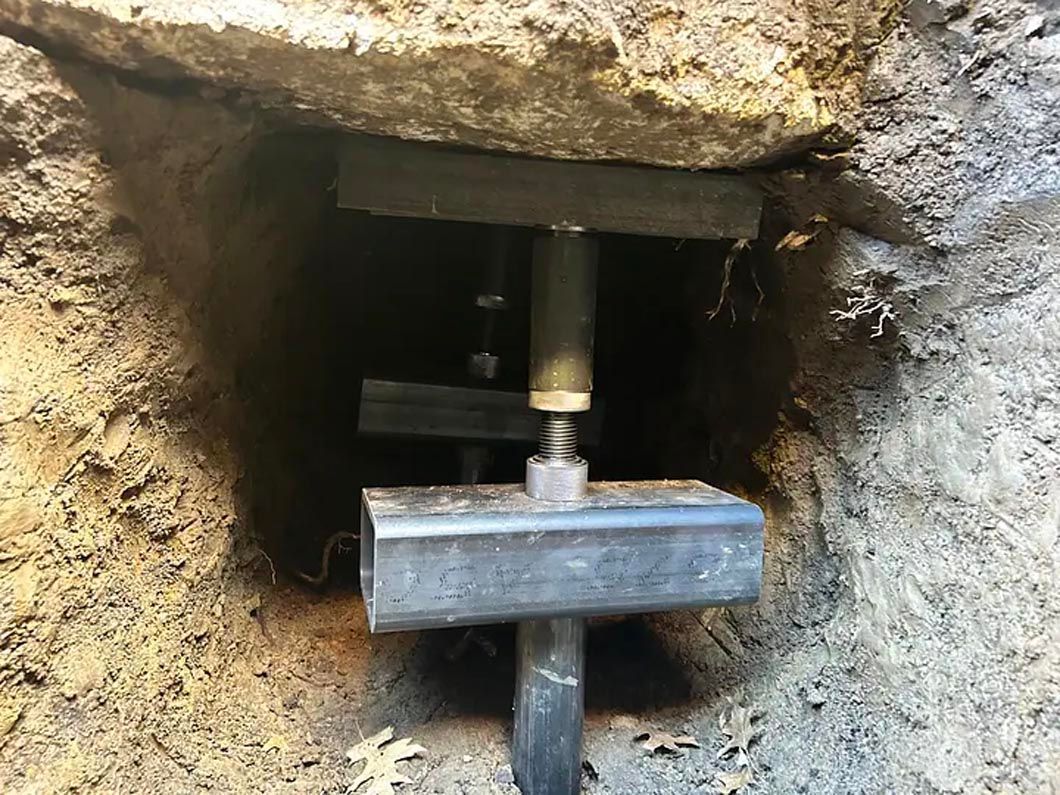
Lifting begins with installing support systems beneath the foundation at calculated intervals, using hydraulic jacks to apply controlled upward force that gradually raises settled areas without stressing the structure. The lift progresses in small increments over time to allow the building to adjust, and permanent supports such as piers or pilings are installed to maintain the corrected elevation once lifting is complete. The method varies depending on whether the home has a basement, crawl space, or slab foundation.
Once the structure reaches proper elevation, floors return to level, eliminating the slope you previously noticed when walking through rooms. Doors and windows operate correctly again because frames have returned to square alignment, and cracks in interior finishes stop widening since the structural movement has been arrested. The foundation bears evenly on stable support points rather than continuing to settle into compressible soil layers.
Careful execution minimizes disruption to plumbing, electrical systems, and interior finishes, though some cosmetic repairs may be necessary after lifting to address cracks that developed during the settlement period. The project timeline depends on the extent of settlement correction required and site access for equipment.
What Homeowners Usually Ask
Home lifting projects involve significant structural work that raises questions about methods, timing, and what to expect during and after the process. These answers clarify how lifting addresses settlement and restores structural safety.
What causes foundation settlement severe enough to require lifting?
Settlement occurs when soil beneath the foundation compresses due to moisture changes, inadequate compaction during construction, or soil erosion that removes support, causing portions of the home to sink while other areas remain stable.
How much can a home be lifted during stabilization?
Lift amounts vary based on settlement severity, but corrections typically range from one to several inches, with the goal of restoring the structure to level rather than exceeding original elevation.
When is lifting necessary instead of other foundation repair methods?
Lifting becomes necessary when settlement has created significant elevation differences across the foundation, when structural damage from differential movement requires correction, or when other repair methods cannot adequately address the degree of settling that has occurred.
Why does the lifting process happen gradually rather than all at once?
Gradual lifting prevents additional stress on the structure by allowing building materials to adjust to elevation changes incrementally, reducing the risk of cracking plaster, breaking rigid utility connections, or damaging framing during the correction process.
What does permanent stabilization involve after lifting is complete?
Permanent supports such as helical piers or push piers extend to stable soil or bedrock beneath the active settlement zone, transferring the home's weight to load-bearing strata that will not compress further and cause additional settling.
Steadfast Structural LLC provides detailed planning and execution for lifting projects, with careful assessment of settlement patterns and structural requirements. Reach out to schedule an evaluation and discuss whether your foundation settlement requires lifting or if alternative stabilization methods are sufficient.