Bowing Walls Reinforced Before Further Movement
Wall Stabilization and Bracing in Kansas City for foundation walls showing inward deflection or horizontal cracking
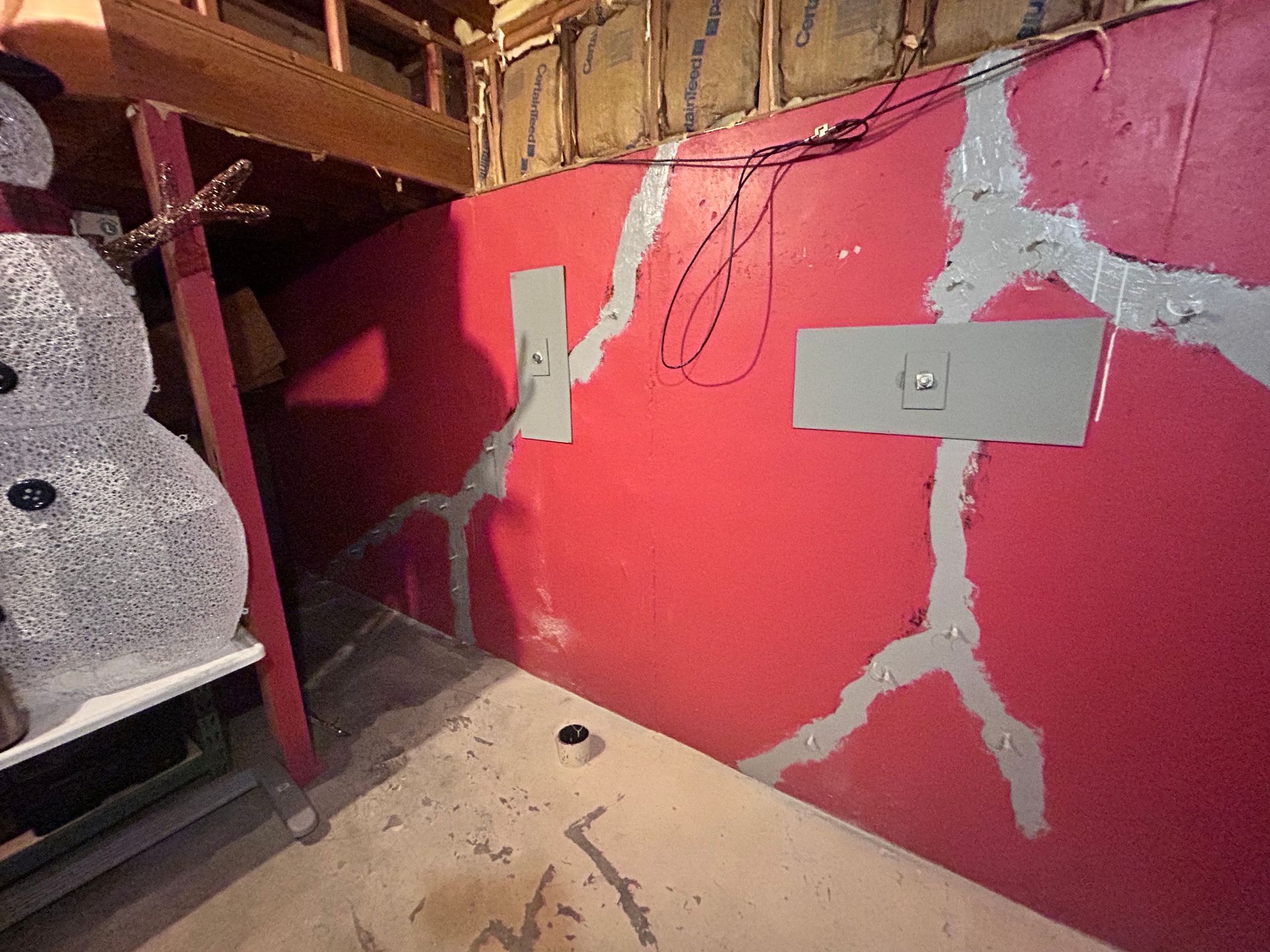
Foundation walls bow inward when exterior soil pressure exceeds the wall's capacity to resist lateral force, a condition common in areas with expansive clay soils that swell during wet seasons. You notice horizontal cracks along mortar joints, walls that lean visibly inward at the top, or gaps where the wall has separated from floor joists. Steadfast Structural LLC evaluates wall condition in Kansas City and recommends reinforcement options designed to stop movement and restore structural safety without requiring full wall replacement in many cases.
Pressure from soil expansion and moisture buildup against foundation walls increases during spring storms and decreases during dry summer months, creating ongoing stress that worsens deflection over time. Stabilization methods counteract that pressure by distributing load across the wall surface or anchoring the wall to stable soil layers beyond the zone of active pressure.
Arrange an on-site evaluation to determine current wall deflection and appropriate reinforcement methods for your foundation.
Why Early Intervention Stops Costly Wall Replacement
Stabilization involves installing bracing systems that resist lateral pressure and prevent further inward movement. Carbon fiber reinforcement, steel I-beams, or wall anchors are selected based on deflection severity, wall material, and whether the goal is to stop movement or actively straighten the wall over time. Each method addresses the mechanical forces differently, with anchors extending into stable soil and braces reinforcing the wall from the interior.
Once bracing is installed, walls no longer deflect further inward during seasonal moisture cycles, and horizontal cracks stop widening. The floor system above regains solid bearing as the wall returns to a stable position, eliminating bounce or unevenness in upper floors. You can finish basement walls without concern that ongoing movement will damage new materials.
Some walls require drainage improvements in addition to bracing to reduce long-term soil pressure, while others benefit from staged reinforcement where initial bracing stops movement and additional tightening gradually restores the wall to near-vertical alignment. The assessment identifies whether structural damage has progressed to the point where partial rebuilding is necessary or if reinforcement alone provides adequate safety.
Common Questions About Wall Stabilization
Wall bracing projects involve decisions about methods and timing that affect both structural outcomes and project costs. These questions clarify what happens during stabilization and how different approaches work in Kansas City soil conditions.
What causes foundation walls to bow inward in the first place?
Expansive clay soils absorb water and swell, creating lateral pressure against foundation walls that increases during wet periods and decreases when soil dries, causing repetitive stress cycles that gradually push walls inward.
How do wall anchors differ from interior bracing systems?
Wall anchors extend through the foundation wall into stable soil beyond the active pressure zone, using earth anchors and threaded rods to pull the wall outward, while interior braces resist pressure by reinforcing the wall from inside the basement.
When is wall replacement necessary instead of stabilization?
Replacement becomes necessary when deflection is severe enough to cause structural failure, when walls show extensive crumbling or deterioration, or when previous repairs have failed and the wall no longer has sufficient integrity for reinforcement alone.
Why does stabilization need to happen before movement worsens?
Early intervention prevents walls from reaching deflection thresholds where reinforcement is no longer effective, and stopping movement before severe cracking occurs avoids water intrusion and further deterioration that complicates repairs.
What does improved structural integrity mean for basement use?
Stabilized walls safely support upper floor loads, allow you to finish basement spaces without risk of cracking drywall or tile, and restore the foundation's ability to resist lateral pressure without ongoing deflection.
Steadfast Structural LLC provides clear evaluation of wall condition and reinforcement options based on deflection measurements and soil pressure patterns. Contact us to schedule a foundation assessment and review the most effective stabilization approach for your home.