Cracks That Get Sealed Before They Spread
Foundation Crack Repair in Kansas City for cracks caused by settlement, pressure, and water intrusion threatening structural integrity
A crack in your foundation starts small but widens as soil pressure, water infiltration, and ongoing settlement continue to stress the concrete. Steadfast Structural LLC repairs foundation cracks throughout Kansas City, addressing both the visible damage and the conditions that caused the crack to form in the first place. Foundation cracks appear when soil beneath the concrete settles unevenly, when hydrostatic pressure from saturated soil pushes against walls, or when freeze-thaw cycles expand moisture trapped in existing fissures.
Crack repair begins with evaluating whether the crack indicates active structural movement or if it's stable and simply needs sealing. Horizontal cracks, stair-step patterns in block foundations, and cracks wider than a quarter inch typically signal ongoing pressure that requires stabilization before sealing. Vertical hairline cracks may only need sealing to prevent water entry.
Request a crack evaluation to determine whether the damage requires structural reinforcement or sealing alone.
What Changes After Cracks Are Sealed and Reinforced
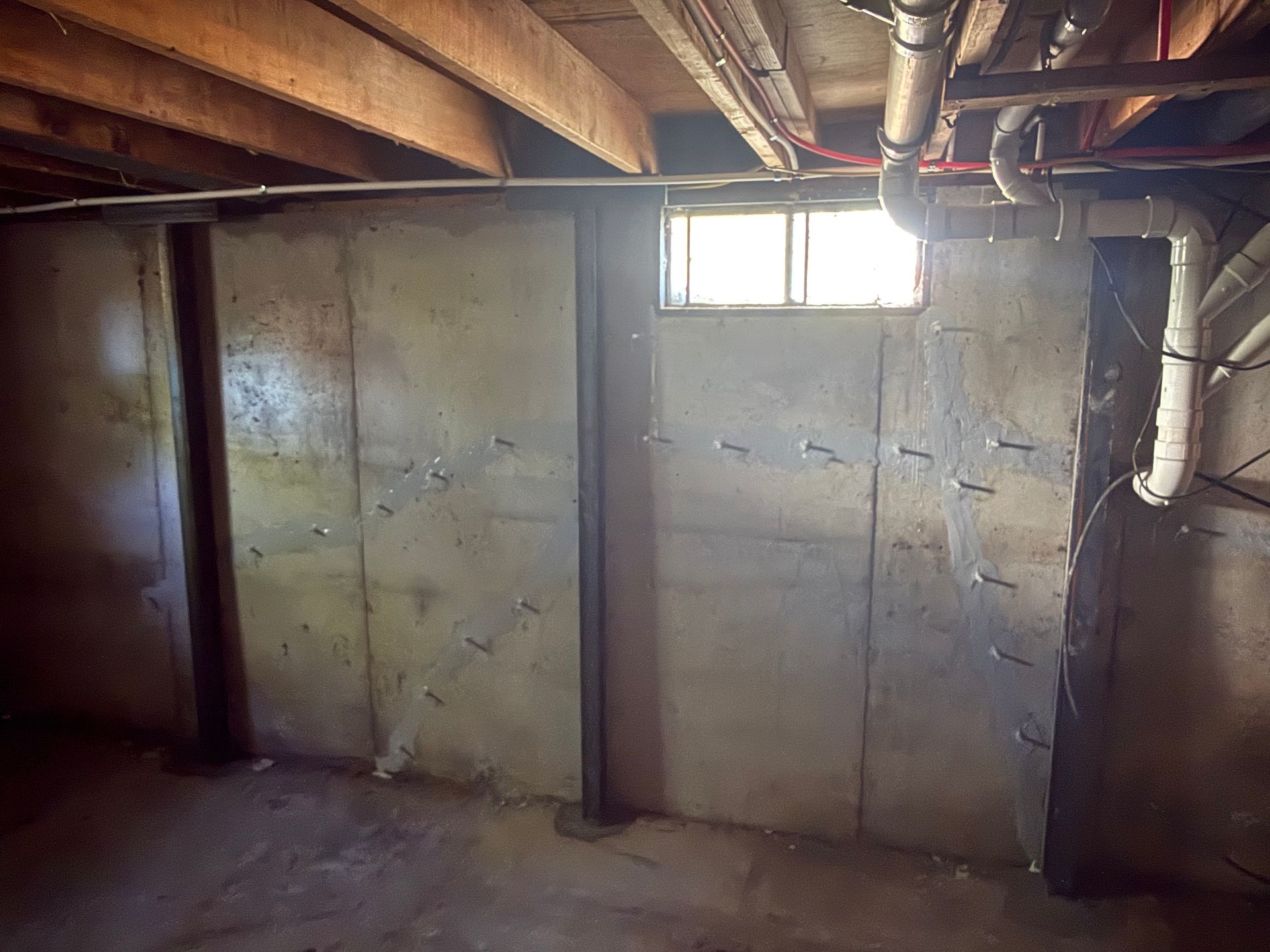
Repair methods depend on crack severity and whether the foundation is still moving. Minor cracks are sealed with epoxy or polyurethane injection that bonds to the concrete and prevents moisture from entering. Structural cracks receive reinforcement using carbon fiber straps or steel braces that distribute pressure and prevent further movement, followed by sealing to block water intrusion.
Once cracks are repaired, water stops seeping into the basement during rainstorms, and the crack itself stops widening. You'll notice that damp spots disappear from walls, and the musty smell caused by moisture intrusion fades as the sealed area dries out.
Sealing cracks without addressing underlying settlement or water pressure only provides temporary relief. If soil conditions or drainage problems caused the crack initially, those issues must be corrected to prevent new cracks from forming nearby.
Answers to Frequent Service Questions
Property owners typically want to know how to evaluate crack severity and what repair approach will prevent the problem from returning.
How do you tell if a foundation crack is structural or cosmetic?
Structural cracks are wider than a quarter inch, run horizontally or in stair-step patterns, and often coincide with other signs like sloping floors or sticking doors. Cosmetic cracks are thin, vertical, and don't widen over time.
What repair methods stop cracks from reopening?
Epoxy injection bonds the concrete back together and restores tensile strength. For active cracks in moving foundations, reinforcement with carbon fiber or steel prevents further separation before sealing.
When does crack repair require foundation stabilization first?
If the crack appeared due to ongoing settlement or soil pressure, stabilization must occur before sealing. Otherwise, new cracks will form as the foundation continues to shift.
Will sealing cracks prevent water from entering the basement?
Properly injected sealant creates a waterproof barrier that stops moisture from penetrating the foundation. This eliminates leaks and reduces humidity in basements across Kansas City.
How does soil type in Kansas City affect foundation cracking?
Expansive clay soils swell when wet and shrink when dry, creating pressure cycles that stress foundations and cause cracks to form over time.
Steadfast Structural LLC evaluates crack severity and underlying causes before recommending a repair approach, ensuring the solution prevents recurrence. Schedule an inspection to get a detailed assessment of your foundation cracks and a plan to repair them permanently.